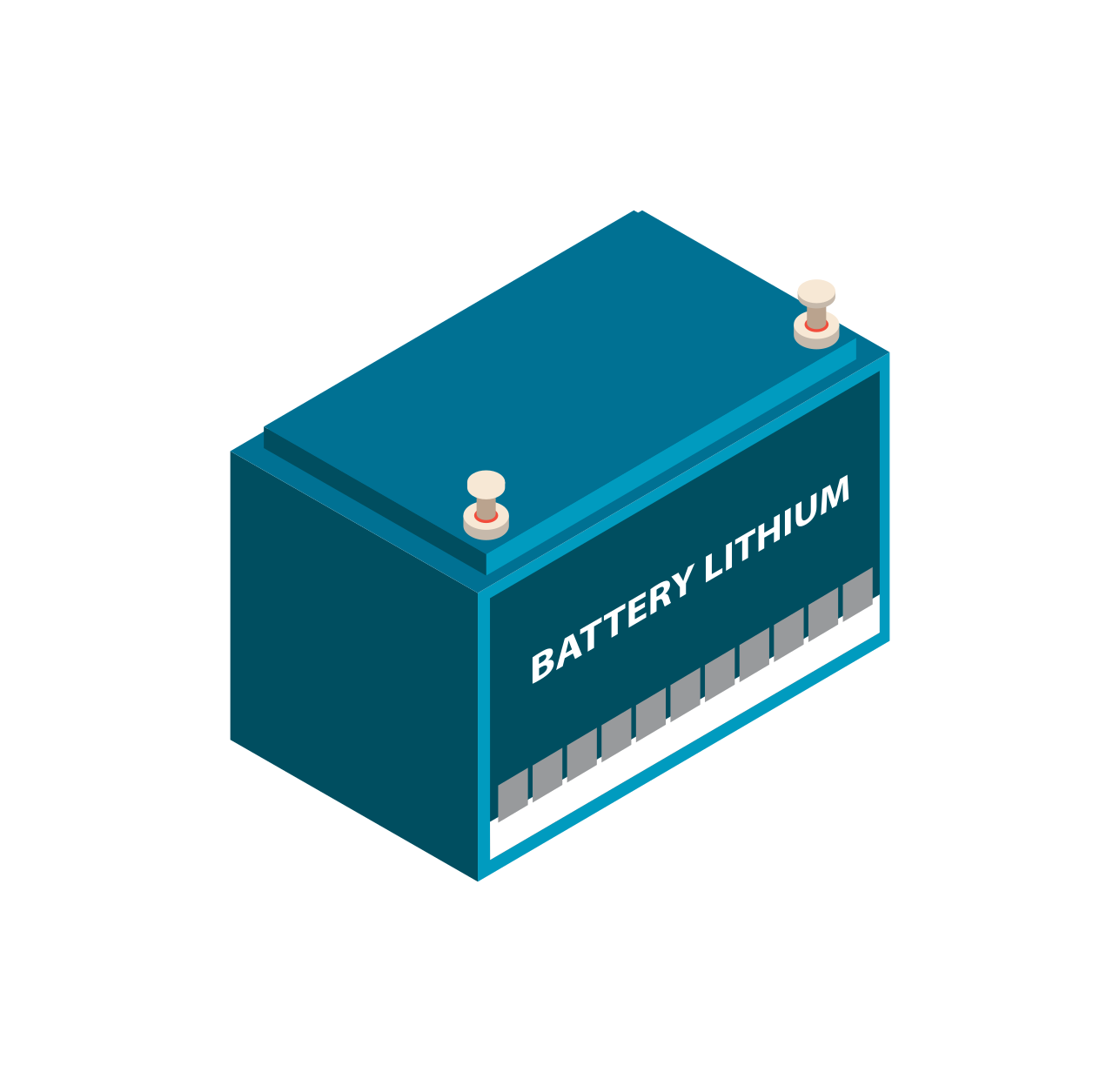
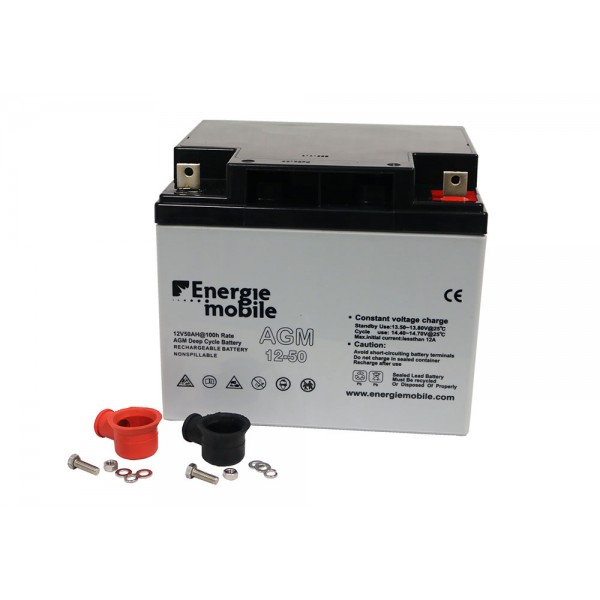
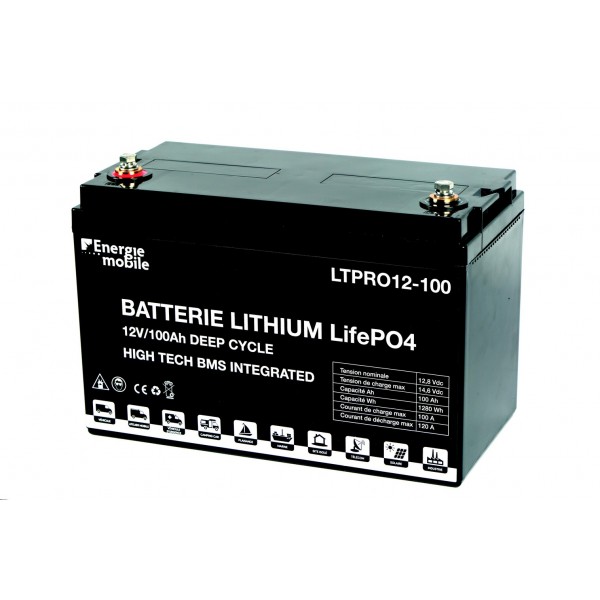
Lithium batteries are increasingly common in many fields, including consumer electronics, electric vehicles and energy storage systems. They offer high energy density, low self-discharge and long lifespan, making them a preferred option for many applications.
Lithium batteries are made from materials such as lithium, cobalt, manganese and nickel, all of which are lightweight metals and conduct electricity. They are available in many forms, including AA and AAA cells, mobile phone batteries and electric vehicle batteries.The advantages of lithium batteries over other types of batteries are numerous. Firstly, they have a very high energy density, which means they can store a large amount of energy in a relatively small space. They also have a low self-discharge rate, which means they lose little energy when not in use. Finally, they have a relatively long lifespan, which means they can be used many times before needing to be replaced.However, lithium batteries also have some drawbacks. Firstly, they are more expensive to produce than other types of batteries, which can make their retail price higher. In addition, they are sensitive to extreme temperatures and can be damaged if exposed to temperatures that are too high or too low. Finally, they can be dangerous if damaged or handled incorrectly, as they can cause fires or explosions.
Despite these drawbacks, lithium batteries are being increasingly used in many fields due to their significant advantages. They are particularly popular in consumer electronics, where they are used in mobile phones, laptops, and tablets. They are also increasingly used in electric vehicles, where they are used to store the energy needed to power the motor.
Furthermore, lithium batteries are also increasingly used in energy storage systems for homes and businesses. These systems allow the storage of electricity produced by renewable sources, such as solar or wind energy, for later use. This helps to reduce dependence on non-renewable energy sources and to reduce greenhouse gas emissions.
It is important to note that the extraction and processing of the materials used in lithium batteries have an impact on the environment. However, many companies are working to develop more sustainable technologies and reduce the environmental impact of lithium battery production.
In summary, lithium batteries are a preferred option for many applications due to their high energy density, low self-discharge, and long lifespan. Although they have some drawbacks, such as higher production costs and sensitivity to extreme temperatures, they are increasingly being used in consumer electronics, electric vehicles, and energy storage systems. Companies are also developing more sustainable technologies to reduce the environmental impact of lithium battery production.