

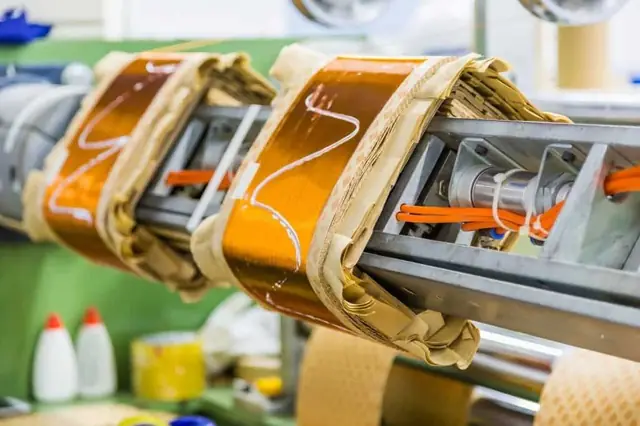
Made in Gailhan (Gard, France) since 1993
Autotransformers
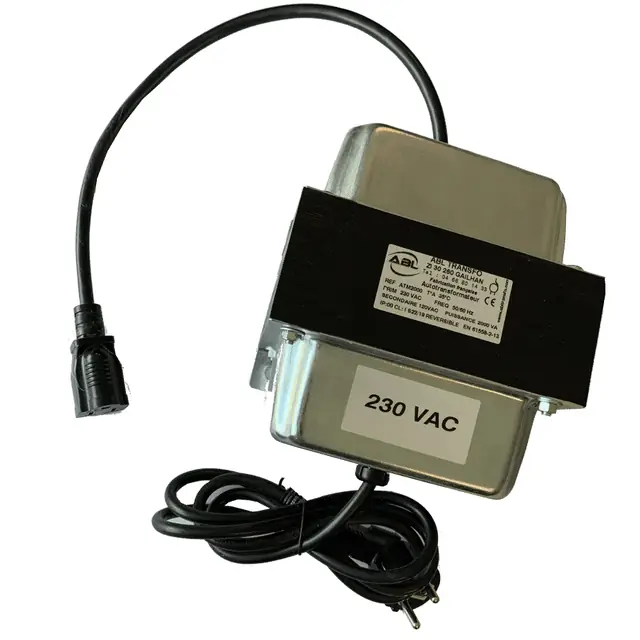
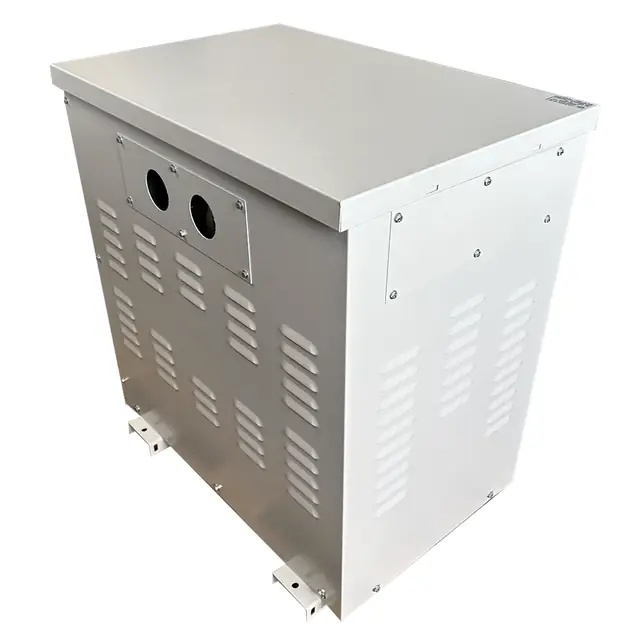
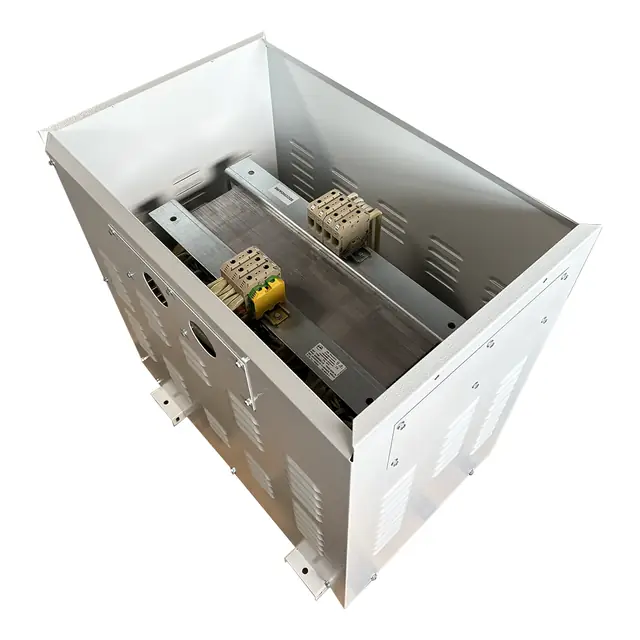
Single-phase 230 V ↔ 120 V autotransformers from 100 VA to 10 kVA, three-phase 400 V ↔ 230 V from 3 to 100 kVA, and custom-built models: for changing voltage without galvanic isolation. Wound and tested in our workshop in Gailhan, France.
- 100 VA → 10 kVAsingle-phase 230 V ↔ 120 V
- 3 → 100 kVAthree-phase 400 V ↔ 230 V + N
- Reversible230 V ↔ 120 V, in both directions
- Custom-built100 VA to 5 kVA, priced online
- 100 % tested before shipping
- Shipped within 24 to 48 hours
- Quote within 48 hours
- Secure payment: card, PayPal or bank transfer
The models
3 results
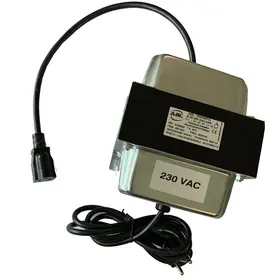 Input230 VOutput120 VReversible
Autotransformer 230 V / 120 V
US 120 V appliances on a 230 V supply
Choose the ratingfrom €37.42 ex VAT€44.90 inc VAT
5.0 (8 reviews)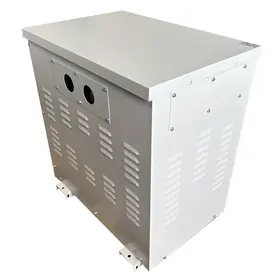 Input3 × 400 VOutput3 × 230 V + NReversible
Three-phase autotransformer 400 V / 230 V + N
Step up or down between 400 V and 230 V, without isolation
Choose the ratingfrom €343.80 ex VAT€412.56 inc VAT
 Inputyour choiceOutputyour choice
Your voltage is not listed?
Custom autotransformer: single-phase, reversible, voltages of your choice.
Configure minefrom €44.83 ex VAT€53.80 inc VAT
No product matches these criteria.
Price excluding VAT for the lowest-priced version; the price of each version is shown on the product page.
How to choose: Autotransformer
Isolation or not?
An autotransformer changes the voltage without separating the equipment from the mains. If you need isolation, or a safety extra-low voltage, choose a two-winding transformer.
Autotransformer or isolation transformerWhich voltage?
120 V for North American appliances, 3 × 230 V for three-phase machines on a 400 V supply. The former 110/220 V and 220/380 V refer to the same networks.
Typical applicationsWhich rating?
Add up the power of the equipment, multiply by 1.25 and choose the next rating up. Allow extra margin for motors.
How to choose
Custom-built
Can’t find your voltage or rating?
We wind your custom transformer in our Gailhan workshop: input voltage, output voltage, rating, protection.
Good to know
Our single-phase and three-phase autotransformers
An autotransformer converts one AC voltage into another using a single winding per phase. We make three models, and each product page shows the price of every rating:
- Reversible 230 V ↔ 120 V autotransformer, from 100 VA to 10 kVA: a North American 120 V appliance on 230 V mains in the UK or Europe, or a European 230 V appliance on a 120 V supply.
- Three-phase autotransformer 400 V ↔ 230 V + N, from 3 to 100 kVA: machines designed for a 3 × 230 V network, on a 3 × 400 V supply.
- Reversible custom autotransformer, from 100 VA to 5 kVA: your voltages, with the price online.
Other voltages are possible: single-phase with the custom model, three-phase on request. Need an adjustable output voltage? That is the job of the single-phase voltage regulator, a variable autotransformer with a sliding contact.
What is an autotransformer?
An autotransformer (also written auto transformer or auto-transformer) is a transformer whose input and output share the same winding: the output voltage is taken from an intermediate tap on that winding. The ratio between the number of turns used at the input and at the output sets the voltage ratio. Because part of the power flows straight from input to output through the shared winding, an autotransformer is smaller and lighter than a two-winding transformer of the same rating, especially when the two voltages are close, such as 230 V and 120 V, or 400 V and 230 V.
The trade-off: input and output are electrically connected, so an autotransformer does not separate the equipment from the mains. It changes the voltage, but not the frequency: an appliance designed for 60 Hz still receives 50 Hz on UK and European mains.
Autotransformer or isolation transformer?
- Autotransformer: to change a voltage when galvanic isolation is not required, with a more compact unit.
- Isolation transformer: when the installation must be separated from the mains, a neutral created or an earth loop eliminated. See our isolation transformers, and the 220 V to 110 V transformer with separate windings.
- Safety isolating transformer: for a safety extra-low voltage (SELV), which an autotransformer cannot provide. See our safety transformers.
120 V, 230 V, 400 V: typical applications
North American appliances in Europe, and the reverse
An appliance designed for the 110–120 V supply of the United States or Canada can run on 230 V mains, in the UK or elsewhere in Europe, through a 230 V to 120 V autotransformer. As it is reversible, the same model supplies 230 V to a European appliance on a 120 V supply. Check the frequency on the appliance's rating plate: “50/60 Hz” is fine, but an appliance designed for 60 Hz only (some motors and clocks) may run slower or overheat on 50 Hz.
Three-phase machines on a 400 V supply
A machine designed for a 3 × 230 V network connects to a 3 × 400 V supply through the 400 V ↔ 230 V + N three-phase autotransformer. For a North American machine at 3 × 208 V, or any other three-phase voltage, other models are available on request. If the machine requires an isolated supply, choose a three-phase transformer with separate windings instead.
110/220 V and 220/380 V: the former names
“220 V” and “380 V” are the former names of the 230 V and 400 V networks in continental Europe, and “110 V” that of the North American 110–120 V supply. A 110/220 V or 220/380 V autotransformer therefore meets the same need as our 120/230 V and 230/400 V models.
How to choose an autotransformer
Voltage and direction: note the supply voltage and the voltage of the equipment. The 230 V ↔ 120 V model works either way, depending on how it is connected: as a step-down autotransformer from 230 V to 120 V, or as a step-up from 120 V to 230 V.
Rating: add up the power of the equipment to be supplied, multiply by 1.25 and choose the next rating up. Motors and compressors draw a high current when starting, so allow a margin.
Protection: upstream, an aM fuse or a type D circuit breaker, both of which withstand the inrush current at switch-on. Connection must be made with the power off, by a qualified person.
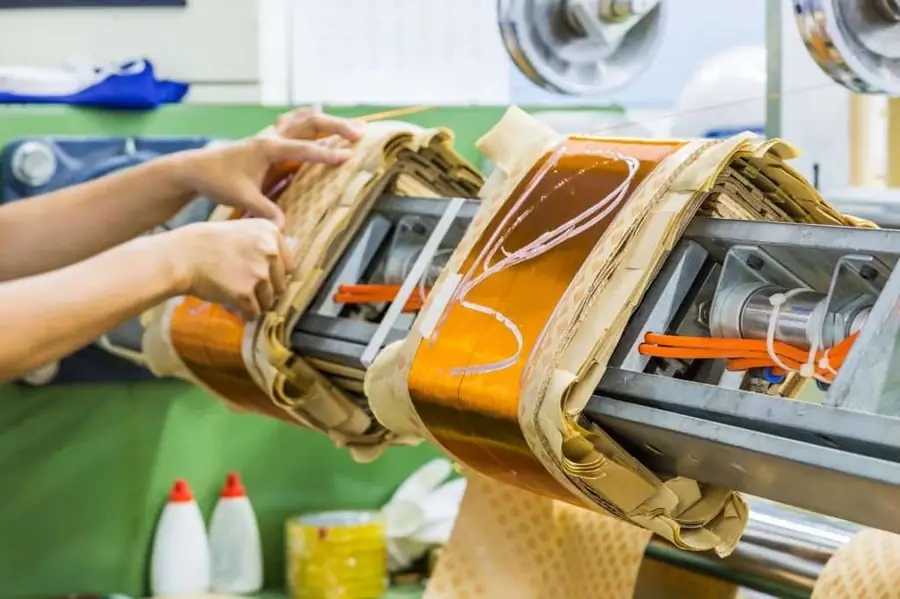
Wound and tested in our Gailhan workshop
ABL Transfo has been manufacturing transformers since 1993 in Gailhan, in the Gard (southern France). Our autotransformers are wound, wired and 100 % tested there before they leave. Standard single-phase models are dispatched from France within 24 to 48 hours. With a trade account, prices are shown excluding VAT, with an immediate 5 % discount.
The custom autotransformer
Need another voltage? The custom autotransformer is configured online, from 100 VA to 5 kVA: input and output voltages, IP rating, and cable, terminal block or socket connections at the input and output. The price is shown immediately, and manufacturing takes from 48 hours to one week depending on the rating. For a three-phase unit or a higher rating, request a quote: we reply within 48 hours. See also our full range of custom-built transformers.
Compare all the options: 400 V to 230 V transformers.
Frequently asked questions
What is the difference between an autotransformer and an isolation transformer?
An isolation transformer, like any conventional two-winding transformer, has two separate windings with no electrical connection between input and output. An autotransformer has only one, shared by input and output: it is more compact for the same power, but it does not isolate the equipment from the mains.
Is an autotransformer reversible?
Our 230 V ↔ 120 V model is: connected one way, it works as a step-down autotransformer and gives 120 V from 230 V; connected the other way, it gives 230 V from a 120 V supply. The custom model is reversible too.
How do I use a 110 V American appliance in the UK or Europe?
With a 230 V to 120 V autotransformer whose rating covers the appliance's power multiplied by 1.25. Check on the rating plate that the appliance accepts 50 Hz: a transformer changes the voltage, not the frequency.
220/380 V or 230/400 V autotransformer: what is the difference?
None: 220 V and 380 V are the former names of the 230 V and 400 V networks in continental Europe. A 400 V ↔ 230 V three-phase autotransformer meets the same need as a “380/220 V” one.
Can an autotransformer provide a safety extra-low voltage (SELV)?
No: because its input and output are connected, it does not separate the circuit from the mains. A safety extra-low voltage requires a safety isolating transformer complying with EN 61558-2-6.
What rating of autotransformer do I need?
Add up the power of the equipment, multiply by 1.25 and choose the next rating up. Allow extra margin for motors and compressors, which draw a high current when starting.
Are there autotransformers with an adjustable output voltage?
Yes: our single-phase voltage regulator is a variable autotransformer, with a sliding contact that varies the output voltage.
How much does an autotransformer cost?
It depends on the rating and the version: each product page shows the price of every rating and every version, and the custom model shows its price as soon as it is configured. With a trade account, professionals get prices excluding VAT and a 5 % discount.