
From AC to DC
LED Drivers – 12 V and 24 V for Indoor Use
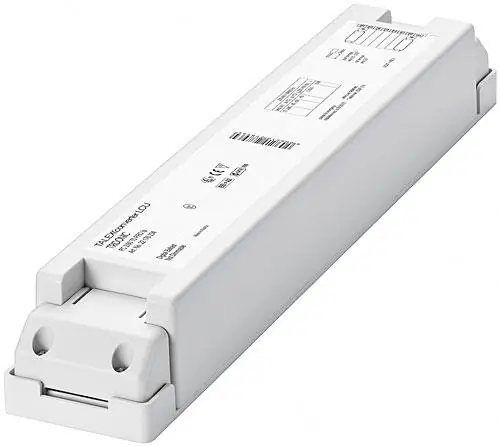
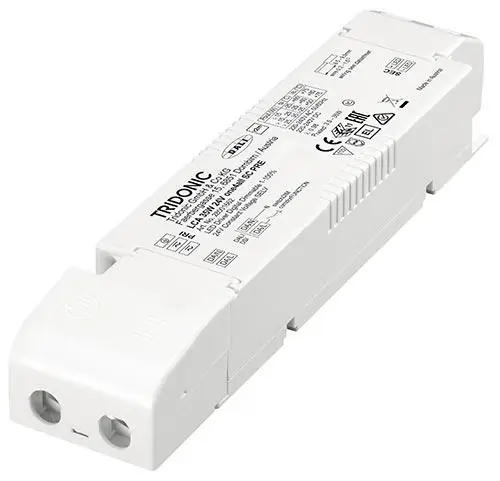
To run LED strips and fittings indoors: IP20 power supplies converting 230 V AC into 12 V or 24 V DC, from 35 to 150 W.
- 12 V · 24 VDC constant-voltage output
- 35 → 150 Wdepending on the model
- IP20for dry indoor locations
- €49.13ex VAT, starting price
- Shipped from France
- Secure payment: card, PayPal or bank transfer
- Trade account: 5 % off the whole site
- Advice Monday to Friday, 8 am to 6 pm
The products
2 results
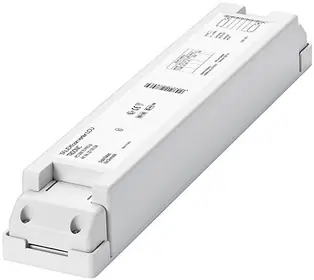 Input230 V ACOutput12 V DC
12 V DC LED power supply
Electronic power supply for LED lighting
Choose the ratingfrom €49.13 ex VAT€58.96 inc VAT
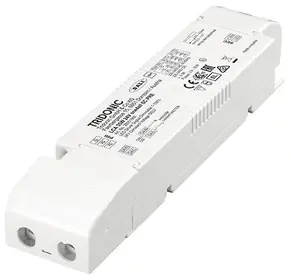 Input230 V ACOutput24 V DC
24 V DC LED power supply
Electronic power supply for LED lighting
Choose the ratingfrom €76.88 ex VAT€92.25 inc VAT
No product matches these criteria.
Price excluding VAT for the lowest-priced version; the price of each version is shown on the product page.
How to choose: LED Power Supplies for Indoor Use
12 V or 24 V?
Always match the voltage printed on the LED strip; 24 V reduces losses on long runs.
24 V LED driverHow much power?
Watts per metre × length, then 25% headroom.
12 V LED driverNot a dry spot?
IP20 is for dry indoor use only; outdoors or in damp rooms, go for IP67.
IP67 waterproof supply
Advice
Need advice before ordering?
Our technicians answer Monday to Friday, 8 am to 6 pm, by phone or e-mail.
Good to know
12 V or 24 V LED driver: which one?
LED strips and most low-voltage LED fittings run on direct current: they need an LED driver, also called an LED power supply, which converts 230 V AC into 12 V or 24 V DC. The golden rule: match the voltage printed on your strip. A 12 V strip must never be connected to a 24 V driver.
For the same power, a 24 V strip draws half the current of a 12 V strip: voltage drop is lower, which helps on long runs. Our drivers are constant-voltage units, the type used for LED strips.
Working out the driver rating
Multiply the strip power in watts per metre by its length, then add 25% headroom: a driver running at around 80% of its rating lasts longer. Example: 5 m of strip at 14.4 W/m draws 72 W; with headroom you need 90 W, so a 100 W model. Several strips can share one driver as long as their total power, headroom included, stays below its rating.
Our LED drivers
- 12 V IP20 LED power supply: 35, 60 or 100 W.
- 24 V IP20 LED power supply: 35, 60, 100 or 150 W.
A compact 12 V DC power supply from 60 to 200 W (190–240 V input, output within ±3 to 5%, aluminium case) is also available.
IP20: for dry indoor locations only
IP20 protects against finger contact with live parts but not against water: these drivers must be fitted indoors, in a dry and ventilated place (accessible ceiling void, cabinet, enclosure). Outdoors or in damp rooms, choose the IP67 waterproof power supply, from 60 to 300 W. Our protection ratings page explains each level.
Connecting an LED driver
Isolate the supply before any work and have the 230 V connection made by a qualified person. On the low-voltage side, observe the + / − polarity of the strip and use a wire size suited to the current and length. For other 12 V and 24 V DC uses (motors, automation, higher power), see our AC/DC power supplies. Business customers get 5% off the whole site with a pro account.
Frequently asked questions
What is the difference between an LED driver and a transformer?
LED strips need direct current, which an LED driver supplies. A 12 V AC lighting transformer designed for halogen lamps is not suitable for a DC LED strip.
What size of LED driver do I need?
Strip power in W/m × length, plus 25% headroom. For 5 m at 14.4 W/m (72 W), choose a 100 W model.
12 V or 24 V LED driver?
The one that matches your strip voltage. For the same power, 24 V carries less current and suits long runs better.
Can an IP20 driver go in a bathroom or outdoors?
No: IP20 offers no protection against water. Choose the IP67 waterproof power supply for outdoor or damp locations.
Can several strips share one LED driver?
Yes, as long as their combined power, with 25% headroom, stays below the driver rating.