
Connectors
Solder Lugs and Rivet Lugs
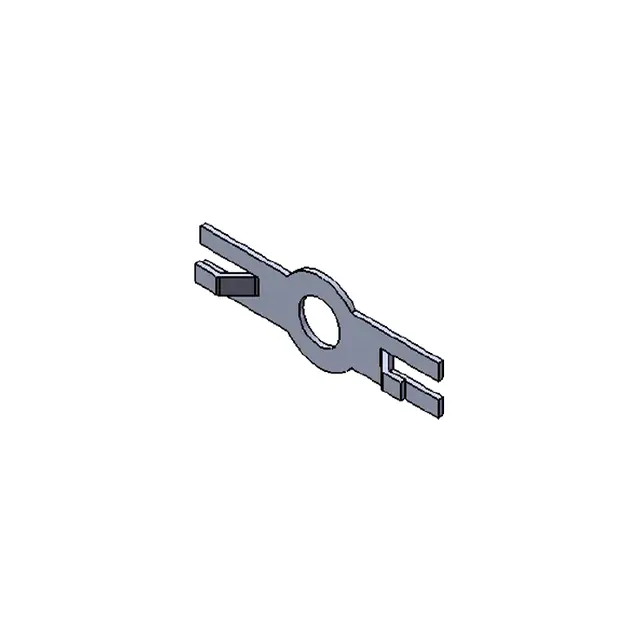
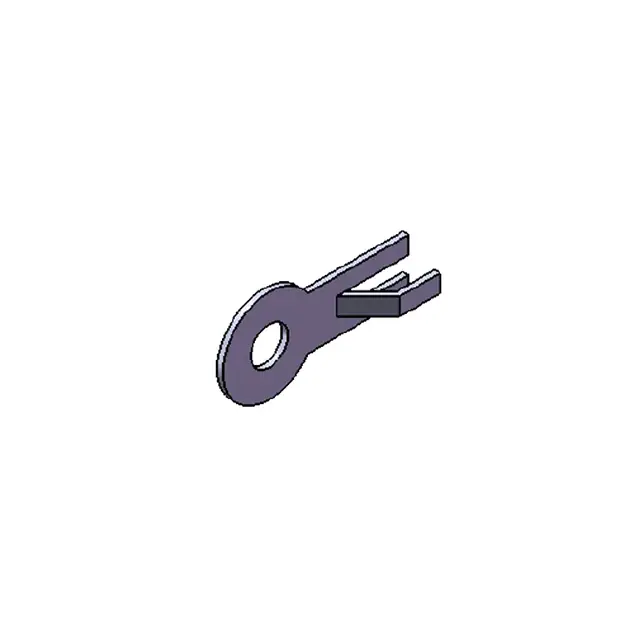
Tinned brass lugs to terminate conductors on transformers, boards and small assemblies: two solder terminals and five rivet lugs, sold individually.
- tinned brassRoHS compliant
- 7 part numbers2 solder, 5 rivet
- €0.63ex VAT, starting price
- Shipped from France
- Secure payment: card, PayPal or bank transfer
- Trade account: 5 % off the whole site
- Advice Monday to Friday, 8 am to 6 pm


Solder or rivet?
All our lugs are tinned brass, sold individually.
7 results
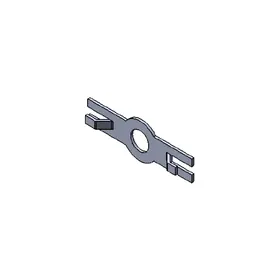 Solder lugTinned brassReferenceN2484
N2484 solder lug
The lug we fit to our own transformers
View the product€0.83 ex VAT each€1.00 inc VAT
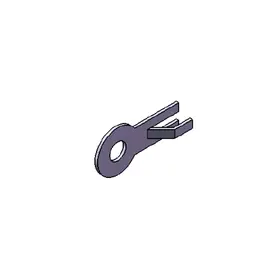 Solder lugTinned brassReferenceN1384
N1384 solder lug
Easy to solder, for all your connections
View the product€0.83 ex VAT each€1.00 inc VAT
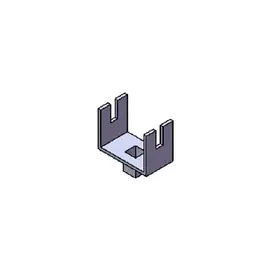 Rivet lugTinned brassReferenceN34
N34 rivet lug
U profile, 6.5 × 8 mm
View the product€0.63 ex VAT each€0.76 inc VAT
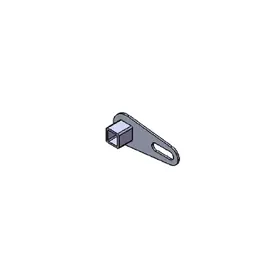 Rivet lugTinned brassReferenceN860
N860 rivet lug
Flat and tapered, 15 × 6 mm
View the product€0.80 ex VAT each€0.96 inc VAT
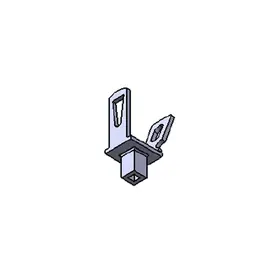 Rivet lugTinned brassReferenceN891
N891 rivet lug
Bent at 110°, 7.5 × 6.9 mm
View the product€0.83 ex VAT each€1.00 inc VAT
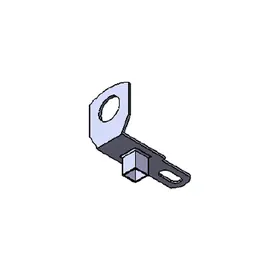 Rivet lugTinned brassReferenceN869
N869 rivet lug
Angled, 3.2 mm hole
View the product€0.83 ex VAT each€1.00 inc VAT
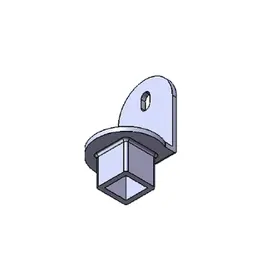 Rivet lugTinned brassReferenceN795A
N795A rivet lug
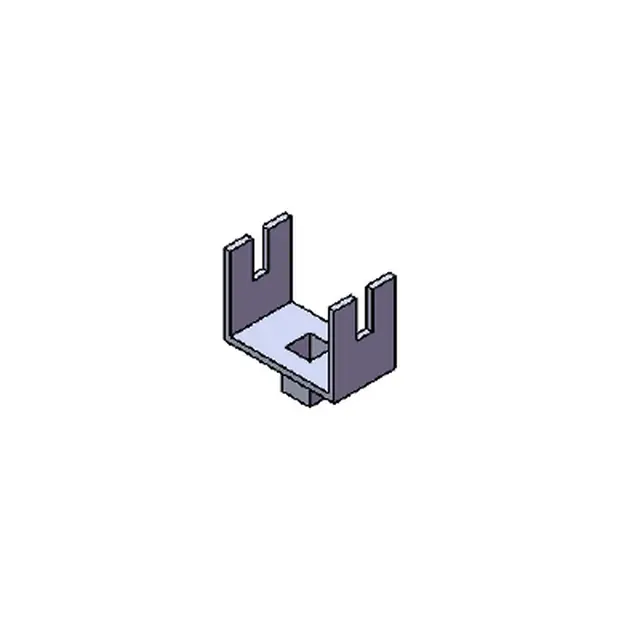
Square base, 5.5 mm opening
View the product€0.83 ex VAT each€1.00 inc VAT
No product matches these criteria.
Price per unit excluding VAT.
How to choose: Lugs
Solder terminal
The conductor is soldered straight onto the lug, with no crimping.
Solder terminalsRivet lug
The lug is riveted onto a terminal board or plate, then the wire is soldered to it.
Rivet lugsFor soldering
A 50 to 100 W iron and flux-cored solder are enough for these small lugs.
Soldering irons
Advice
Need advice before ordering?
Our technicians answer Monday to Friday, 8 am to 6 pm, by phone or e-mail.
Good to know
Types of electrical lugs
A lug terminates a conductor so that it can be connected to a terminal, a circuit or a device. Lugs mainly differ in how they hold the conductor and how they are mounted:
- crimp lugs, squeezed onto the wire with a crimping tool: the ring and fork terminals found in switchboards;
- solder lugs (or solder tags), onto which the conductor is soldered;
- rivet lugs, riveted onto a terminal board or plate, with the conductor then soldered onto them.
We offer the last two families, the ones found on transformers, terminal boards and small electronic assemblies. Heavy cables that need crimped power lugs are outside our range.
Our tinned brass lugs
All our lugs are made of tinned brass and are RoHS compliant: the tin plating makes soldering easier and protects the metal from oxidation. They are sold individually.
- Solder terminals: N1384 and N2484.
- Rivet lugs: N34 (U profile), N795A (square base, 5.5 mm opening), N860 (flat, 15 x 6 mm), N869 (angled, 3.2 mm hole) and N891 (bent at 110°).
Each product page gives the key dimensions (height, width, thickness, hole diameter) so you can check the fit with your board or plate.
Soldering a lug
For these small lugs, a 50 to 100 W soldering iron and flux-cored solder wire are enough. Heat the lug and conductor together, feed the solder onto the joint, then let it cool without moving it. For the cable itself, see our H07RN-F flexible cable by the metre.
Need large quantities? Contact us; business customers get 5% off the whole site with a pro account.
Frequently asked questions
What types of electrical lugs are there?
Crimp lugs (ring, fork, tubular), squeezed onto the wire with a tool; solder lugs, onto which the conductor is soldered; and rivet lugs, riveted onto a board or plate. We sell solder and rivet lugs.
What are your lugs made of?
Tinned brass, RoHS compliant: the tin plating makes soldering easier and limits oxidation.
Solder terminal or rivet lug: which should I choose?
A rivet lug is first fixed mechanically onto a terminal board or plate; a solder terminal is soldered directly. See our solder terminals and rivet lugs.
Do you sell crimp lugs for heavy cables?
No: our range is limited to tinned brass solder and rivet lugs.
How do I check that a lug fits my board?
Compare the dimensions on the product page (height, width, thickness, hole or base diameter) with those of your terminal board or terminal.