
Connectors
Solder Terminals
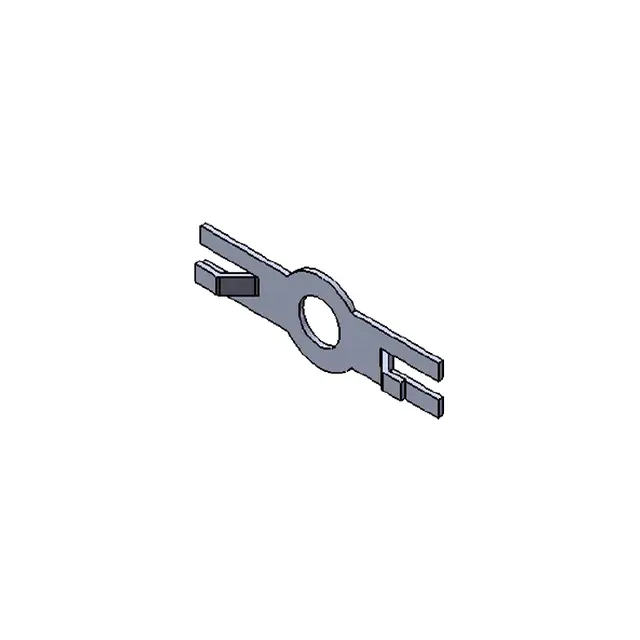
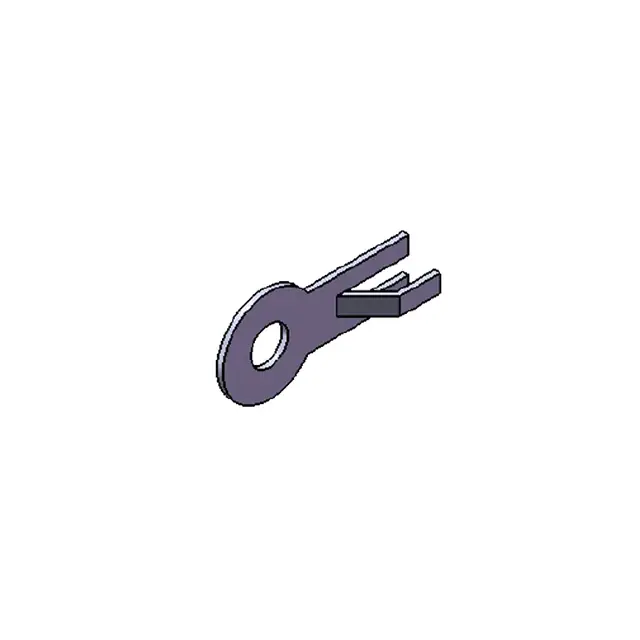
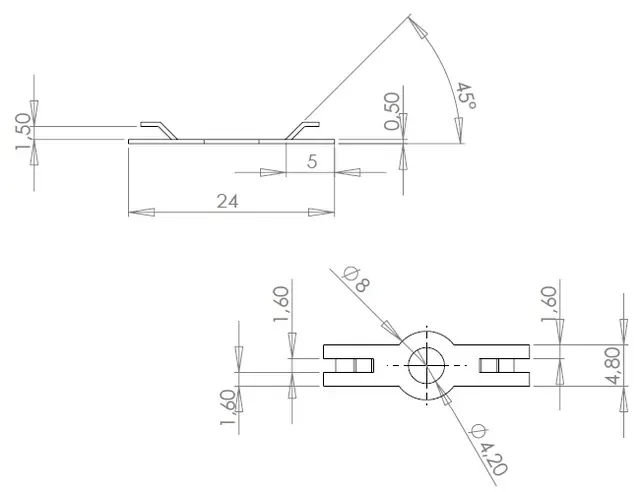
Two tinned brass solder terminals, N1384 and N2484, sold individually, to connect a conductor to a transformer, a circuit board or a small assembly.
- tinned brassRoHS compliant
- N1384 · N2484two part numbers
- €0.83ex VAT, starting price
- Shipped from France
- Secure payment: card, PayPal or bank transfer
- Trade account: 5 % off the whole site
- Advice Monday to Friday, 8 am to 6 pm
The products
2 results
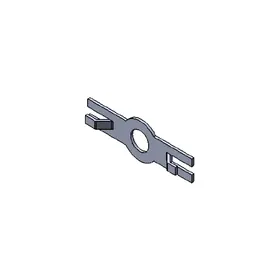 Solder lugTinned brassReferenceN2484
N2484 solder lug
The lug we fit to our own transformers
View the product€0.83 ex VAT each€1.00 inc VAT
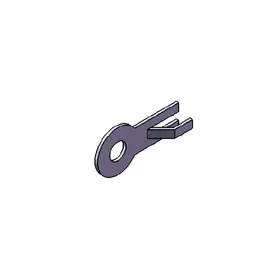 Solder lugTinned brassReferenceN1384
N1384 solder lug
Easy to solder, for all your connections
View the product€0.83 ex VAT each€1.00 inc VAT
No product matches these criteria.
Price per unit excluding VAT.
How to choose: Solder Terminals
Why tinned?
Tin plating makes soldering easier and protects the brass from oxidation, even in damp conditions.
N2484 terminalWhich tool?
A 50 to 100 W iron and flux-cored solder.
Soldering ironsRivet instead?
For mechanical fixing on a board before soldering, see the rivet lugs.
Rivet lugs
Advice
Need advice before ordering?
Our technicians answer Monday to Friday, 8 am to 6 pm, by phone or e-mail.
Good to know
The solder terminal
On a solder terminal, the conductor is soldered rather than crimped. The joint is permanent and conducts well. Our two models, the N1384 and the N2484, are made of RoHS-compliant tinned brass: the tin plating gives a clean joint and protects the metal from oxidation, even in damp conditions. They are used to connect transformers, circuit boards and small electrical assemblies.
Soldering a terminal
Heat the terminal and conductor together with a 50 to 100 W soldering iron, feed flux-cored solder onto the joint, then let it cool without moving it. For a lug fixed mechanically on a board first, see our rivet lugs; the full range is in our solder lugs category.
Frequently asked questions
What is a solder terminal?
A terminal onto which the conductor is fixed by soldering rather than crimping.
What are your solder terminals made of?
RoHS-compliant tinned brass; the tin plating makes soldering easier and protects against oxidation.
Which iron should I use to solder a terminal?
A 50 to 100 W iron is enough for these small terminals, with flux-cored solder.
Solder terminal or rivet lug?
A rivet lug is first riveted onto a board; a solder terminal is soldered directly.