

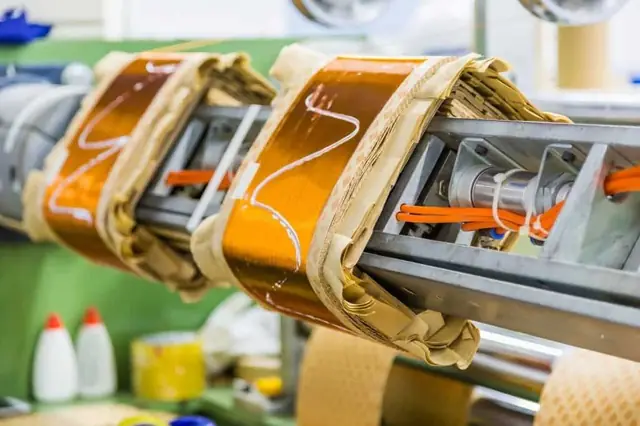
Manufacturer in Gailhan (Gard, France) since 1993
400 V to 230 V transformers
From 400 V down to 230 V (formerly 415 V to 240 V in the UK, 380 V to 220 V in continental Europe), single-phase or three-phase: four solutions depending on your supply and your equipment, wound and tested in our workshop in Gailhan (Gard, France), with prices shown online up to 100 kVA.
- 4models
- €47.42 ex VAT€56.90 inc VATstarting price
- 5-year warrantythree-phase units wound in Gailhan
- 3 to 6 working daysthree-phase lead time, by rating
- Single-phase: dispatched within 24 to 48 h
- Three-phase: dispatched within 3 to 6 working days
- Pallet delivery free from €1,000 ex VAT, otherwise €50 ex VAT
- Quote within 48 h
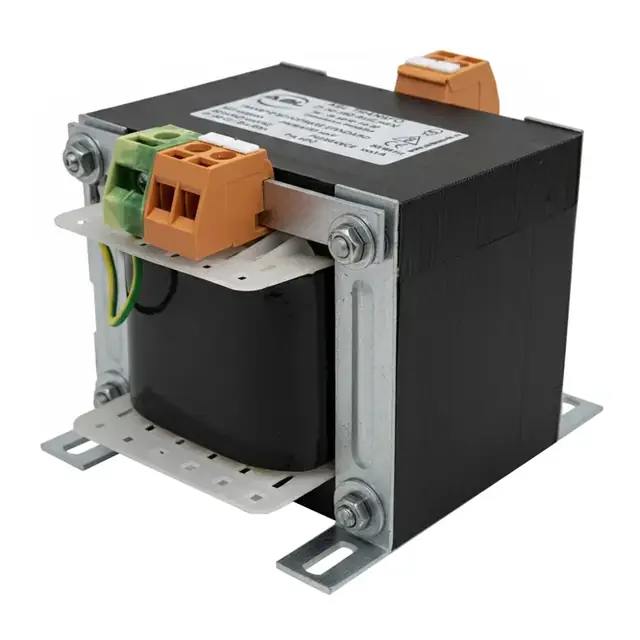
Single-phase 400 V to 230 V
Connected between two phases of a 400 V supply, it provides single-phase 230 V: the simple answer for a 230 V appliance on a supply with no neutral.
1 model
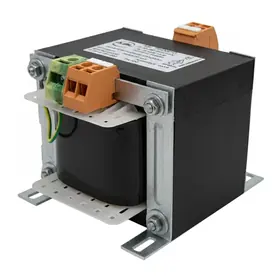
Three-phase 400 V to 230 V + N
For a three-phase machine designed for 230 V between phases, on a 400 V supply: isolation between primary and secondary, neutral brought out.
1 model
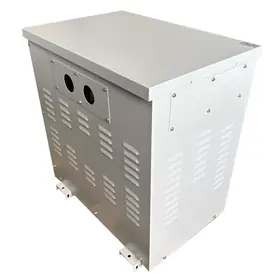
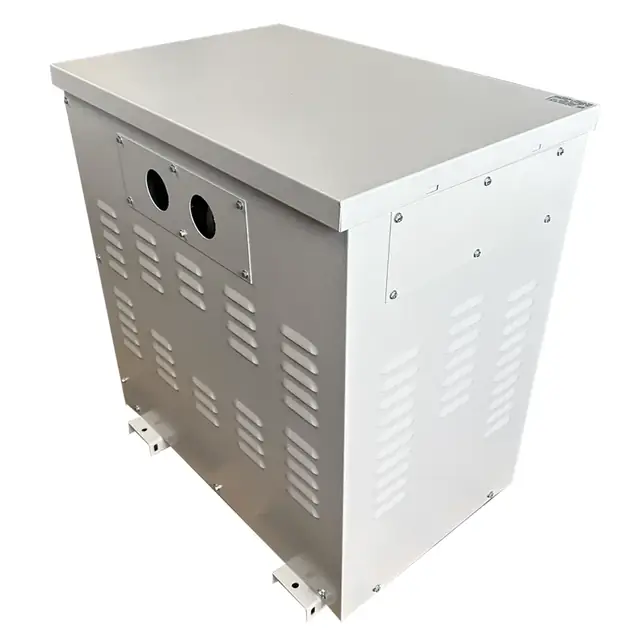
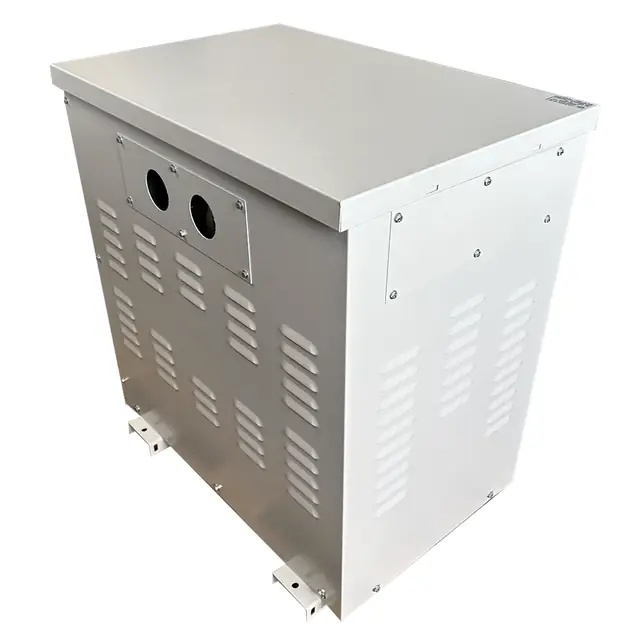
Three-phase to single-phase
Three-phase 3 × 400 V input, star + neutral by default or star without neutral on request; single-phase 230 V output (line and neutral), in an IP23 enclosure.
1 model
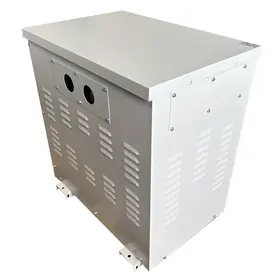
Three-phase autotransformer, 400 V / 230 V + N
Steps 400 V down to 230 V, or 230 V up to 400 V, with no isolation between the two networks.
1 model
Another voltage or vector group?
Voltages, rating and vector group of your choice: the custom three-phase transformer is configured online, and we reply to quote requests within 48 hours.
1 model
How to choose: 400 V to 230 V transformers
Single-phase or three-phase?
Check the equipment’s rating plate: “230 V” on its own means single-phase; “3 × 230 V” or “230 V Δ” means a three-phase machine designed for 230 V between phases.
Three-phase transformersIsolation or autotransformer?
A transformer separates the two networks (galvanic isolation); an autotransformer links primary and secondary, with no isolation.
AutotransformersWhich rating?
Single-phase: the power of the equipment multiplied by 1.25. Three-phase: the current per phase multiplied by the line-to-line voltage and by √3. In both cases, round up to the next rating.
How long does it take?
Standard single-phase units within 24 to 48 h; three-phase units within 3 working days up to 50 kVA, 6 working days from 63 to 100 kVA; above 100 kVA, on quotation.
Request a quote
Custom-built
Can’t find your voltage or rating?
Configure your custom three-phase transformer: primary voltage, secondary voltage, rating, vector group. Above 100 kVA, we quote it on request.
Good to know
415/240 V, 380/220 V and 400/230 V: the same supply
415/240 V in the UK and 380/220 V in continental Europe are the old names for today’s 400/230 V supply, so a transformer sold as 415 V to 240 V, 380 V to 220 V or 400 V to 230 V does the same job. On a 3 × 400 V + N three-phase supply, 230 V is already available between each phase and neutral: a transformer is only needed if there is no neutral, if the equipment must be isolated from the supply, or if the machine is designed for three-phase 230 V.
Four solutions, depending on your installation
A single-phase 230 V appliance on a 400 V supply with no neutral: the single-phase 400 V / 230 V transformer connects between two phases. Above a few kVA, the three-phase to single-phase transformer draws its current from all three phases; it does not balance them, though, as its centre winding draws twice as much current as the other two.
A three-phase 230 V machine on a 400 V supply: the three-phase 400 V / 230 V + N transformer steps all three phases down and isolates the machine from the supply. If isolation is not required, the three-phase 400 V / 230 V autotransformer does the same job, in either direction.
Need to create a neutral on a 400 V supply instead? That is the job of the 400 V / 400 V + N isolation transformer, covered with the other solutions on our three-phase to single-phase transformer page.
Sizing the transformer
For single-phase, add up the power of the equipment, multiply by 1.25 and choose the next rating up. For three-phase, multiply the current per phase by the line-to-line voltage and by √3: a machine drawing 20 A at 3 × 230 V needs about 8 kVA. For a motor, allow for its starting current and ask us for advice.
Wound and tested in Gailhan
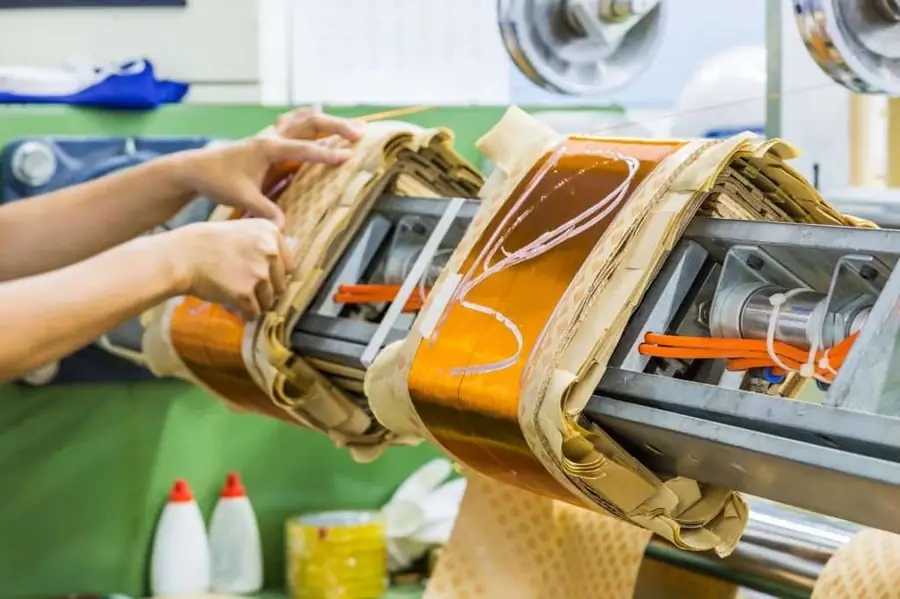
Our 400 V to 230 V transformers are wound and tested in our workshop in Gailhan (Gard, France), with a 2-year warranty on single-phase units and 5 years on three-phase units. Standard single-phase units are dispatched within 24 to 48 hours; three-phase units, built to order, leave the workshop within 3 working days up to 50 kVA and within 6 working days from 63 to 100 kVA. Orders over 30 kg travel on a pallet with Kuehne + Nagel: 48 to 72 hours within mainland France, 96 hours elsewhere in Europe; pallet delivery is free from €1,000 ex VAT, otherwise a flat €50 ex VAT. From 125 to 1,000 kVA, we build to order: request a quote.
Frequently asked questions
415 V, 380 V or 400 V: what is the difference?
None in practice: 415 V in the UK and 380 V in continental Europe are old names for today’s 400 V three-phase supply, just as 240 V and 220 V are for 230 V. A 415 V to 240 V, 380 V to 220 V or 400 V to 230 V transformer does the same job.
How do I run a 230 V appliance on a 400 V supply?
If there is a neutral, 230 V is already available between one phase and neutral. Without a neutral, connect a single-phase 400 V / 230 V transformer between two phases or, for higher power, a three-phase to single-phase transformer in star without neutral (on request; it is built in star + neutral by default).
Transformer or autotransformer for 400 V to 230 V?
A transformer isolates the machine from the supply; an autotransformer has only one winding per phase and provides no isolation. If safety or the earthing arrangement calls for isolation, choose the transformer.
My motor is marked 230/400 V: do I need a transformer?
No: connected in star, a 230/400 V motor runs directly on a 400 V three-phase supply. A 400 V to 230 V transformer is for machines designed only for 230 V between phases.
What size of transformer does a three-phase 230 V machine need?
Multiply the current per phase by 230 and by √3 (about 1.73), then choose the next standard rating up: 20 A needs about 8 kVA. For a motor, allow for its starting current.
What is the lead time for a three-phase transformer?
It leaves our workshop within 3 working days from 1 to 50 kVA, and within 6 working days from 63 to 100 kVA. Units over 30 kg travel on a pallet with Kuehne + Nagel: 48 to 72 hours within mainland France, 96 hours elsewhere in Europe.
Do you make transformers above 100 kVA?
Yes, from 125 to 1,000 kVA, on quotation: give the voltages, rating and vector group in the quote request form and we will reply within 48 hours.