
Connectors
Rivet Lugs
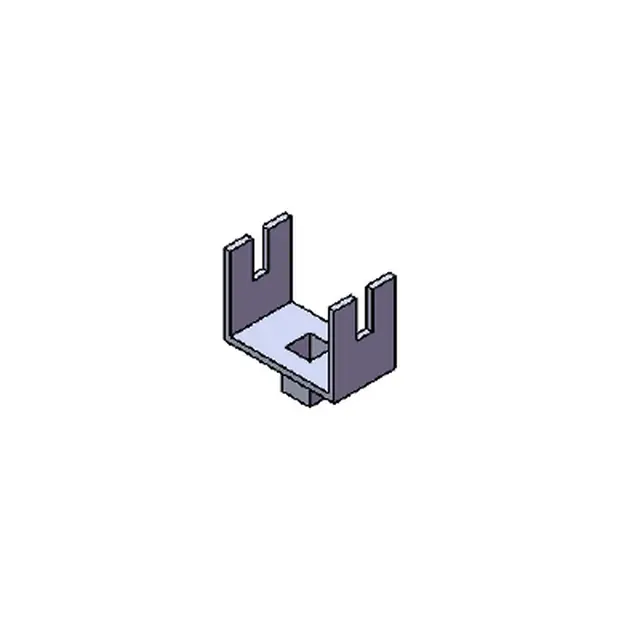
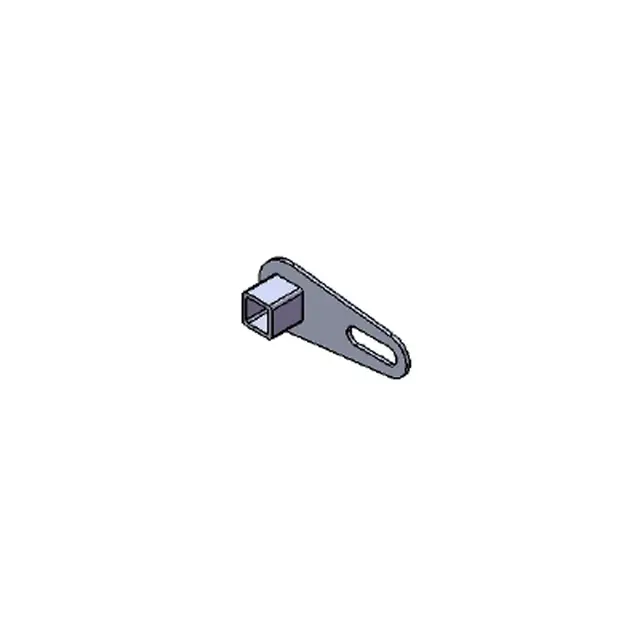
Five tinned brass rivet lugs, to be fixed on a terminal board or plate before the conductor is soldered on: U profile, square base, flat, angled or bent at 110°. They are sold individually.
- tinned brassRoHS compliant
- 5 shapesN34, N795A, N860, N869, N891
- €0.63ex VAT, starting price
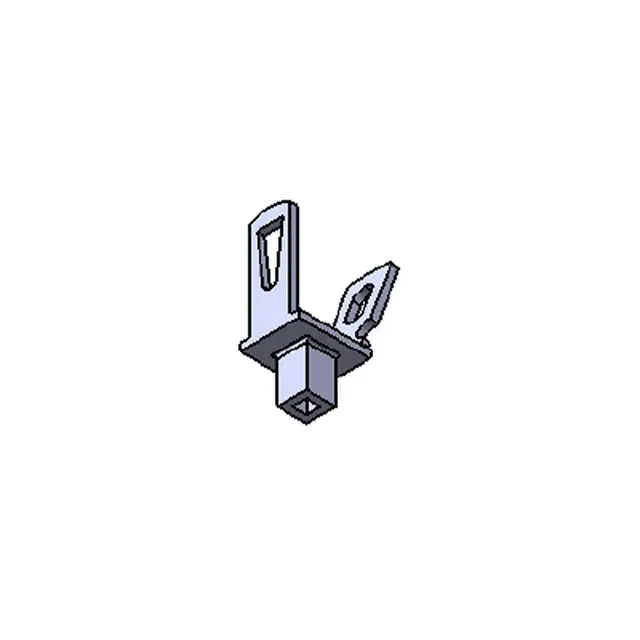
- Shipped from France
- Secure payment: card, PayPal or bank transfer
- Trade account: 5 % off the whole site
- Advice Monday to Friday, 8 am to 6 pm
The products
5 results
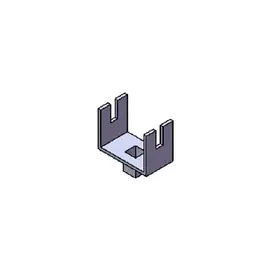 Rivet lugTinned brassReferenceN34
N34 rivet lug
U profile, 6.5 × 8 mm
View the product€0.63 ex VAT each€0.76 inc VAT
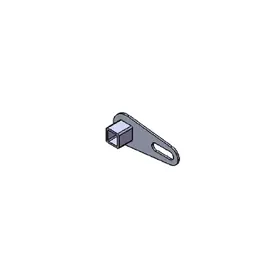 Rivet lugTinned brassReferenceN860
N860 rivet lug
Flat and tapered, 15 × 6 mm
View the product€0.80 ex VAT each€0.96 inc VAT
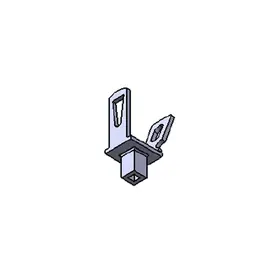 Rivet lugTinned brassReferenceN891
N891 rivet lug
Bent at 110°, 7.5 × 6.9 mm
View the product€0.83 ex VAT each€1.00 inc VAT
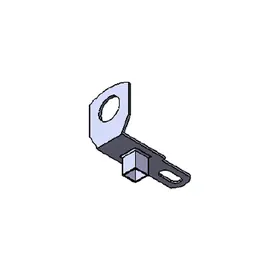 Rivet lugTinned brassReferenceN869
N869 rivet lug
Angled, 3.2 mm hole
View the product€0.83 ex VAT each€1.00 inc VAT
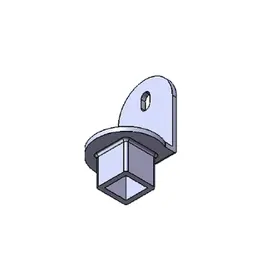 Rivet lugTinned brassReferenceN795A
N795A rivet lug
Square base, 5.5 mm opening
View the product€0.83 ex VAT each€1.00 inc VAT
No product matches these criteria.
Price per unit excluding VAT.
How to choose: Crimp Terminals
How it works
The lug is riveted onto its board, then the wire is soldered to it.
All solder lugsWhich shape?
Compare the base and hole with your board: each product page gives the dimensions.
N795A lugSolder directly?
Without riveting, choose a solder terminal.
Solder terminals
Advice
Need advice before ordering?
Our technicians answer Monday to Friday, 8 am to 6 pm, by phone or e-mail.
Good to know
The rivet lug
A rivet lug is first fixed mechanically, with a rivet, onto an insulating board or plate; the conductor is then soldered onto it. The result is a sturdy, well-positioned connection point, as on a transformer terminal board. Our rivet lugs are made of RoHS-compliant tinned brass for easy soldering and good resistance to oxidation.
Five shapes
- N34 lug: U profile, 6.5 x 8 x 3.6 mm, 0.40 mm thick, 2.9 mm base.
- N795A lug: square base and vertical shank, 7 mm high, 2.8 mm base, 5.5 mm opening.
- N860 lug: flat and tapered, 15 x 6 mm, 3.1 mm base, 0.35 mm thick.
- N869 lug: compact and angled, 11.7 mm long, 0.30 mm thick, 3.2 mm hole.
- N891 lug: bent at 110°, 7.5 x 6.9 mm, 2.8 mm base, 0.50 mm thick.
To choose, compare the base with the hole in your board or plate, then the shape with the space available. A 50 to 100 W soldering iron is enough to solder the conductor. See also our solder terminals and the whole solder lugs category.
Frequently asked questions
What is a rivet lug?
A lug fixed with a rivet onto a board or plate, onto which the conductor is then soldered.
How do I choose a rivet lug?
Compare the lug’s base with the hole in your board or plate, and its shape (U, flat, angled, bent at 110°) with the space available. Each product page gives the dimensions.
What are these lugs made of?
RoHS-compliant tinned brass.
Do I need a special tool to solder the wire?
No: a 50 to 100 W soldering iron and flux-cored solder are enough.