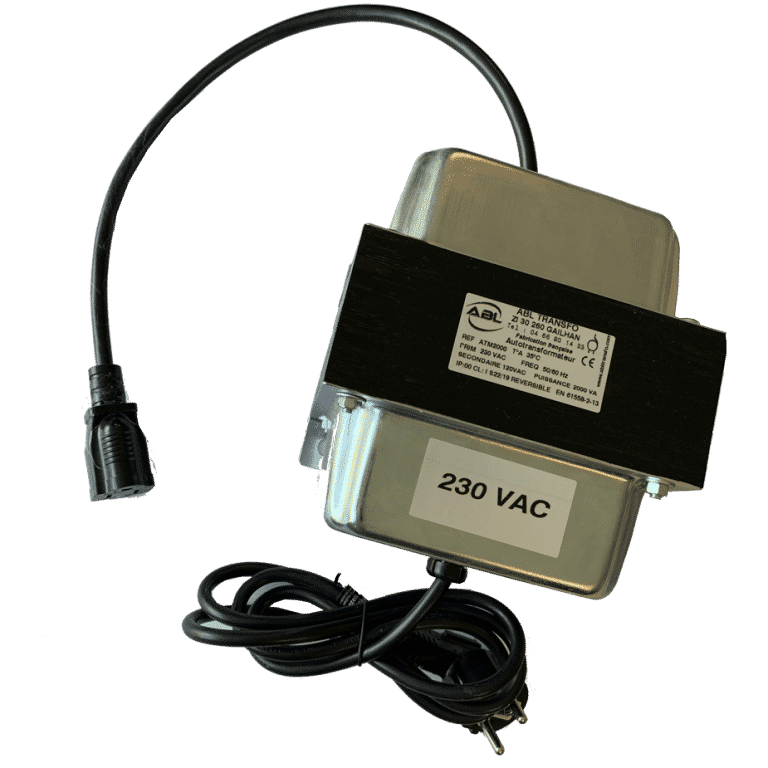
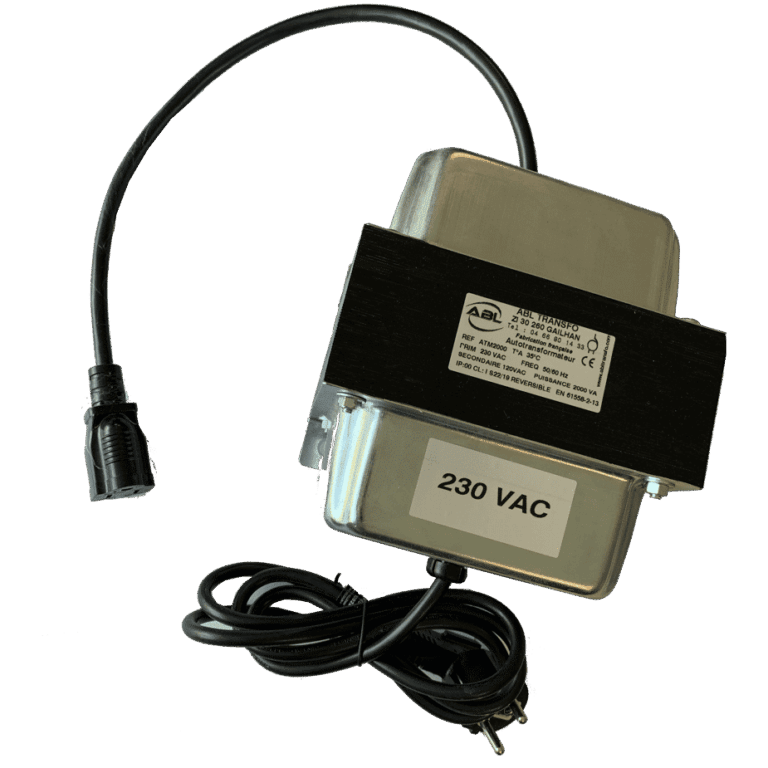
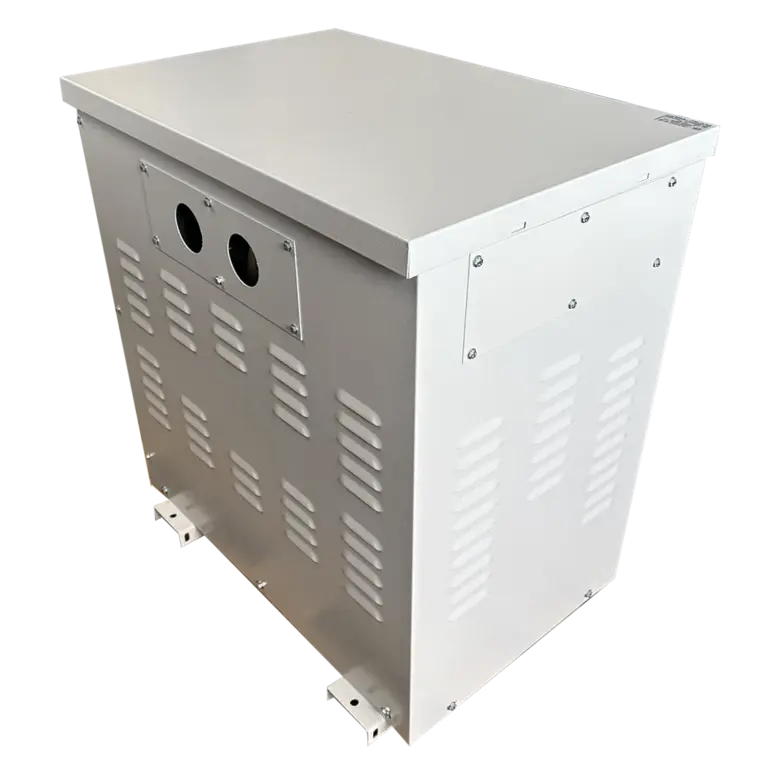
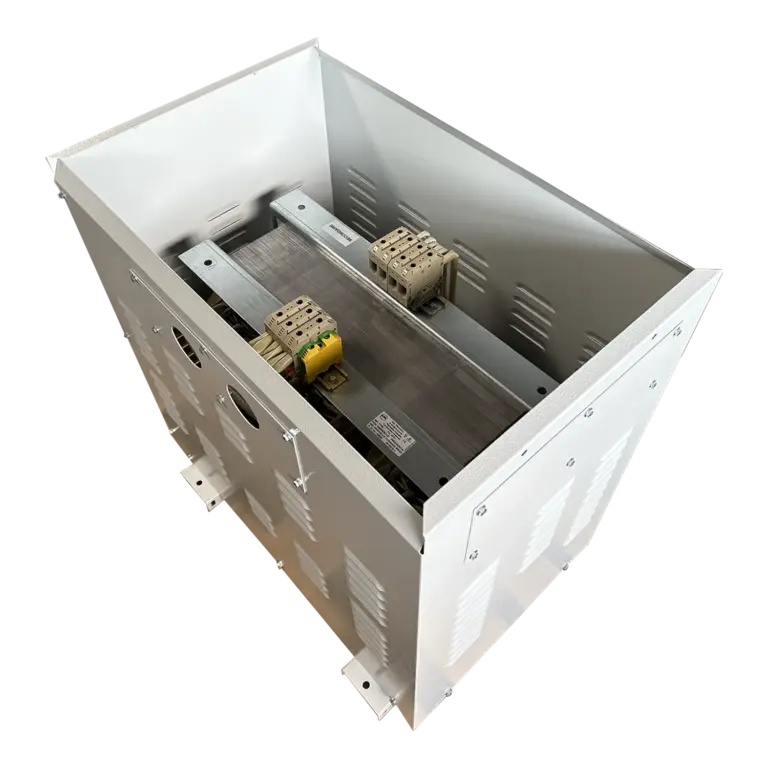
The autotransformer is a transformer that has only one winding, with the secondary being part of the primary winding.Do you want to know how an autotransformer works? Click on details below:According to the definition of the International Electrotechnical Commission, an autotransformer is a “transformer in which at least two windings have a part in common.” In practice, it is a transformer with only one winding, with the secondary being part of the primary winding. The current supplying the transformer passes through the entire primary, and a tap at a specific point determines the secondary output.Advantages of an autotransformer:Compared to a two-winding transformer of the same power, the autotransformer has the following advantages due to saving one winding; it is:smallerless expensivemore efficient, its efficiency is higherThe savings in cost and size are due to the cross-section of the conductors, which can be chosen smaller than on a conventional transformer. Indeed, the winding between the secondary and the cold point only carries the difference between the secondary current and the primary current. This current is thus lower than the secondary current carried by a conventional transformer. Furthermore, using a single physical winding for both secondary and primary also allows savings in size.Disadvantages of an autotransformer:However, besides these advantages, the autotransformer also has significant drawbacks:it does not provide galvanic isolation between primary and secondary, which can be dangerous, especially if the primary winding has a fault (see image), or if the secondary winding is open, the voltage across the secondary could equal the primarythe short-circuit current of an autotransformer is significantly higher than that of a conventional transformerCredits: Wikipedia