
Single-phase transformer 230 V / 48 V
48 V AC · 63 VA to 20 kVA · IP00, IP23 or IP54 · made in France
No reviews of this model yet63 VA1.31 A at 48 V
- —
- —
- 2-year warranty · wound and tested in Gailhan
Key features
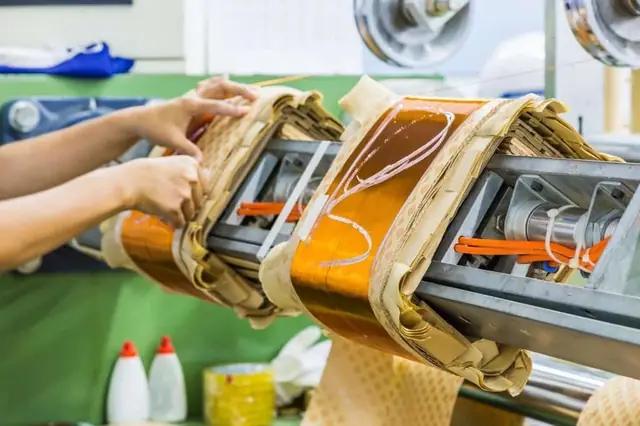
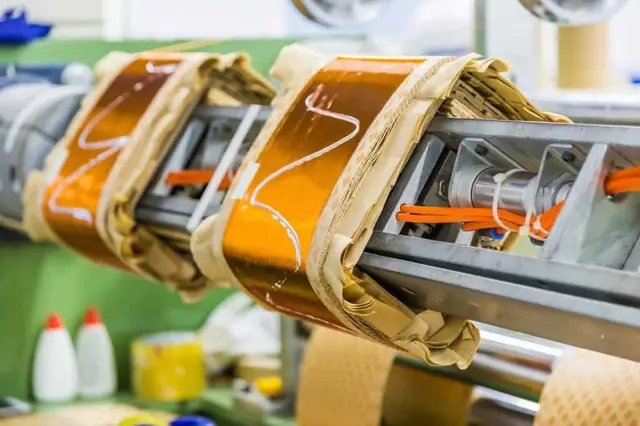
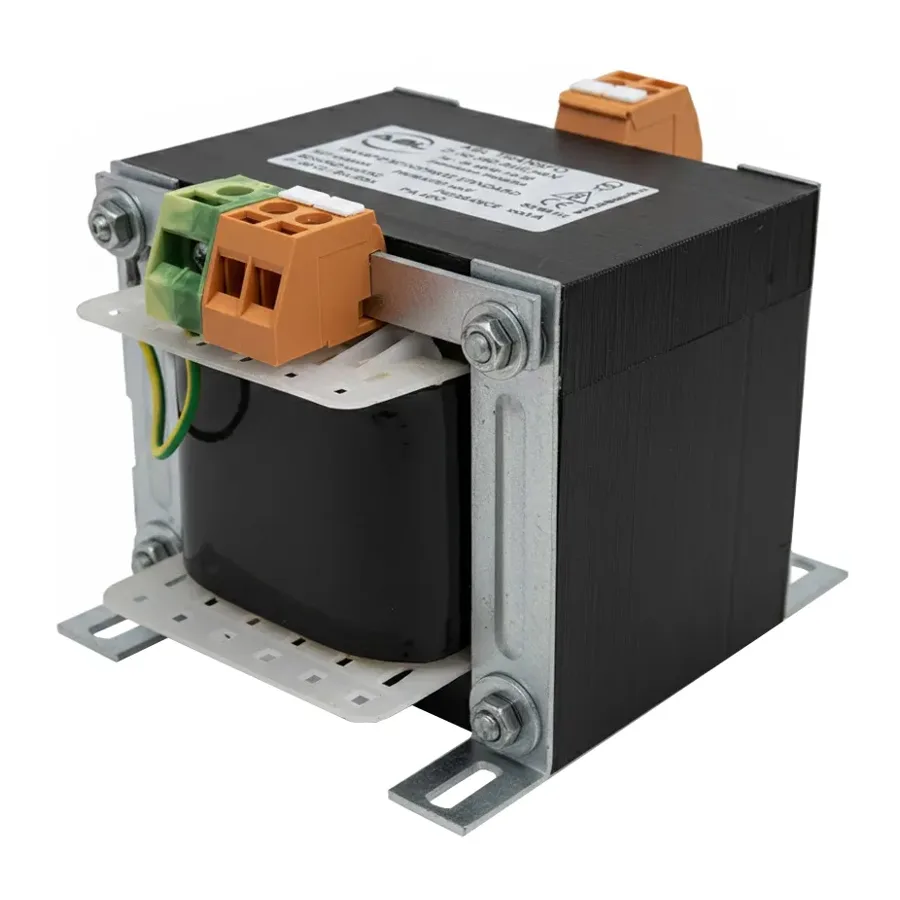
This 48V transformer steps the 230 V single-phase mains — formerly 220 V — down to 48 volts AC, an extra-low voltage used to supply machine tools and industrial equipment, control circuits, inspection lamps and devices designed for 48 V AC. The primary and secondary are two separate windings. From 63 VA to 20 kVA, open frame (IP00), with a ventilated cover (IP23) or in a sealed housing (IP54): it is wound and tested in our workshop in Gailhan, in the Gard (southern France).
220 V is the former name for 230 V. A 220V to 48V transformer connects to the same mains and gives the same 48 V.
It supplies 48 V AC (marked 48 V AC or 48 V ~). A device marked 48 V DC needs a power supply: see AC or DC.
That is normal: about 50.7 V off load on the 63 VA, 49.4 V on the 1,000 VA. The voltage falls to 48 V at full load.
When should you use a 48V transformer?
- Machine tools and industrial equipment supplied at 48 V AC.
- Control circuits: 48 V AC relay and contactor coils.
- Extra-low voltage lighting: 48 V inspection lamps and machine lamps.
- Replacing a 220 V / 48 V transformer in an existing installation.
- Test benches and devices that need an AC extra-low voltage.
It works on 50 and 60 Hz supplies and delivers AC: for 48 V DC, see the next section.
48 V AC or 48 V DC?
Check the rating plate on your device. The marking tells you which product you need.
- Machines and equipment marked 48 V AC
- 48 V AC relay and contactor coils
- 48 V inspection lamps and lights
- Devices marked 48 V ~ or 48 VAC
Specifications of the 230 V / 48 V transformer
Values for the selected configuration: 63 VA · IP00.
- Voltage
- 230 V AC (formerly 220 V)
- Rated current
- —
- Terminals
- 1 (0 V) · 2 (230 V) · earth
- Recommended protection
- —
- On-load voltage
- 48 V AC
- No-load voltage
- —
- Rated current
- —
- Terminals
- 3 (0 V) · 4 (48 V)
- Recommended protection
- —
- Type
- Dry-type transformer, two separate windings
- Core
- EI laminations, flux density 1.2 T
- Insulation class
- H (180 °C)
- Temperature rise
- 50 °C, 40 °C maximum ambient
- Standards
- EN 61558-2-4 and EN 61558-2-6
- Thermal protection
- On request
- IP rating
- —
- Overall dimensions L × W × H
- —
- Weight
- —
- Mounting
- —
- Altitude
- 3,000 m maximum
- Connection
- Screw terminals up to 55 A (2.5 kVA on this model), lugs above
From 10 to 20 kVA, losses and efficiency are available on request.
Ratings and prices
From 63 VA to 20 kVA. Above that, or for another voltage, on request.
| Rating | 48 V current | Primary fuse | 48 V protection | No-load / load losses | Efficiency | Weight | Dimensions (mm) | Price ex VAT |
|---|---|---|---|---|---|---|---|---|
| 63 VA | 1.3 A | aM 2 A | aM 2 A | 2 / 3.3 W | 92.1 % | 1.5 kg | 75 × 68 × 73 | €47.42 |
| 100 VA | 2.1 A | aM 2 A | aM 4 A | 3 / 5.4 W | 92.0 % | 2 kg | 84 × 82 × 78 | €57.42 |
| 160 VA | 3.3 A | aM 2 A | aM 4 A | 4 / 8.6 W | 91.9 % | 2.5 kg | 96 × 89 × 87 | €63.25 |
| 200 VA | 4.2 A | aM 2 A | aM 6 A | 5 / 9 W | 93.0 % | 2.6 kg | 118 × 97 × 97 | €66.58 |
| 250 VA | 5.2 A | aM 2 A | aM 6 A | 5 / 11.9 W | 93.2 % | 3.9 kg | 108 × 95 × 100 | €78.25 |
| 300 VA | 6.2 A | aM 2 A | aM 8 A | 6 / 14.9 W | 93.0 % | 4 kg | 108 × 103 × 94 | €80.75 |
| 400 VA | 8.3 A | aM 2 A | aM 10 A | 8 / 15.6 W | 94.0 % | 6 kg | 126 × 122 × 108 | €102.42 |
| 500 VA | 10.4 A | aM 4 A | aM 12 A | 10 / 18.1 W | 94.4 % | 6.8 kg | 126 × 110 × 115 | €112.42 |
| 630 VA | 13.1 A | aM 4 A | aM 16 A | 12 / 23 W | 94.4 % | 9 kg | 150 × 124 × 126 | €132.42 |
| 750 VA | 15.6 A | aM 4 A | aM 20 A | 15 / 23.7 W | 94.8 % | 10.3 kg | 150 × 120 × 135 | €144.92 |
| 1 kVA | 20.8 A | aM 6 A | aM 25 A | 18 / 28.8 W | 95.3 % | 14 kg | 150 × 144 × 127 | €175.75 |
| 1.6 kVA | 33.3 A | aM 8 A | aM 40 A | 19 / 45 W | 96.0 % | 16.4 kg | 180 × 140 × 160 | €219.92 |
| 2 kVA | 41.7 A | aM 10 A | aM 50 A | 19 / 59.5 W | 96.1 % | 20 kg | 180 × 160 × 160 | €243.25 |
| 2.5 kVA | 52.1 A | aM 12 A | aM 63 A | 24 / 66.5 W | 96.4 % | 24 kg | 180 × 180 × 150 | €250.75 |
| 3 kVA | 62.5 A | aM 16 A | aM 80 A | 37 / 79.9 W | 96.1 % | 29 kg | 180 × 200 × 160 | €288.25 |
| 4 kVA | 83.3 A | aM 20 A | aM 100 A | 42 / 103.8 W | 96.3 % | 33 kg | 240 × 190 × 220 | €425.75 |
| 5 kVA | 104.2 A | aM 25 A | aM 125 A | 45 / 121.6 W | 96.7 % | 36 kg | 240 × 200 × 220 | €458.25 |
| 6.3 kVA | 131.2 A | aM 32 A | aM 160 A | 56 / 130.3 W | 97.0 % | 40 kg | 240 × 210 × 220 | €483.25 |
| 7.5 kVA | 156.2 A | aM 40 A | aM 200 A | 56 / 160 W | 97.1 % | 46 kg | 240 × 230 × 220 | €548.25 |
| 10 kVA | 208.3 A | aM 50 A | aM 250 A | —* | —* | 75 kg | 390 × 150 × 470 | €1,012.42 |
| 15 kVA | 312.5 A | aM 80 A | aM 400 A | —* | —* | 80 kg | 0 × 0 × 0 | €1,145.75 |
| 20 kVA | 416.7 A | aM 100 A | aM 500 A | —* | —* | 95 kg | 0 × 0 × 0 | €1,279.92 |
aM fuses sized for the rated current; alternatively, a type D circuit breaker of the same rating. * 10 to 20 kVA: catalogue weights and dimensions, losses on request.
Cable size on the 48 V side
Voltage drop depends on the current and the length. Aim for less than 5 % (3 % for lighting).
| Cable size | Drop | Voltage at the device | Drop (%) | Verdict |
|---|
Copper cable, resistivity 0.0225 Ω·mm²/m (at operating temperature), outgoing and return conductors, reactance ignored. “Too small for this current”: current-carrying capacity of a PVC-insulated copper cable in conduit, two loaded conductors, for guidance only. Final sizing is the installer's responsibility (IEC 60364; NF C 15-100 in France).
Connection and dimensions
Extracts from the datasheet: diagram, terminal block and dimensions.
PDF · specifications, ratings and part numbers, protection
Primary protection
—
—
48 V protection
—
As close as possible to the transformer, on the 48 V outgoing circuit.
Safety
- Connection with the power off, by a qualified person.
- Earth connected before switching on.
- IP00: inside a closed cabinet or enclosure.
Standards, warranty and options
A standard transformer, made in Gailhan and also available in other voltages.
Frequently asked questions
About the 230 V / 48 V single-phase transformer.
220V to 48V or 230V to 48V transformer: what is the difference?
None: 220 V is the former name for the 230 V mains. A 220V to 48V transformer connects to the same mains and gives the same 48 V.
Does this 48V transformer supply DC?
No: it supplies 48 V AC. For 48 V DC, choose the 230 V / 48 V DC power supply: a transformer and a bridge rectifier, encapsulated in resin.
Which rating should I choose?
Add up the power of the equipment supplied at 48 V, multiply by 1.25 and take the next rating up: 400 W of equipment needs 500 VA; 1,200 W needs 1,500 VA, so a 1.6 kVA transformer. The calculator above the table does this for you.
Why do I measure more than 48 V?
Off load, the voltage is slightly higher: about 50.7 V on the 63 VA and 49.4 V on the 1,000 VA. It falls to 48 V when the transformer delivers its rated current. Measure with your multimeter set to AC (V~).
How do I connect a 48V transformer?
The 230 V supply goes to terminals 1 (0 V) and 2 (230 V), and earth to the primary earth terminal; your 48 V equipment is fed from terminals 3 (0 V) and 4 (48 V). The connection diagram is on the datasheet.
What protection should I install?
On the primary, an aM fuse or a type D circuit breaker rated for the primary current: 2 A for the 63 VA, 6 A for the 1,000 VA. On the secondary, protection rated for the 48 V current: a 2 A aM fuse for the 63 VA, 25 A for the 1,000 VA. At switch-on, the transformer draws about twelve times its rated current; the protection rating for each size is given in the table.
What cable size on the 48 V side?
It depends on the current and the length: at 48 V, a 2.4 V drop is already 5 %. The cable size calculator works it out for your installation.
IP00, IP23 or IP54: which should I choose?
IP00: open-frame transformer, to be installed in a cabinet or enclosure. IP23: ventilated cover, for a dry room. IP54: moulded housing up to 630 VA, sealed enclosure above that, protected against dust and splashing water. All about IP ratings.
Is it safety extra-low voltage (SELV)?
48 V AC is an extra-low voltage, below the 50 V limit, and this transformer complies with the current standards, EN 61558-2-4 and EN 61558-2-6 (safety isolating transformers).
Other voltages and alternatives
Built the same way for other voltages, plus the power supply for 48 V DC.